When people think about packaging quality, they focus on the obvious things first.
- Does it protect the product?
- Does it look good?
- Is it sustainable?
- Does it fit the budget?
But in reality, the overall perception of packaging quality is often shaped by much smaller details:
- Color consistency
- Precision of a fit
- Print registration
- How well does it open
- The resistance in a folding construction
- The texture of a material
Individually, these details may seem insignificant. But together they strongly influence how a package feels in someone's hand.
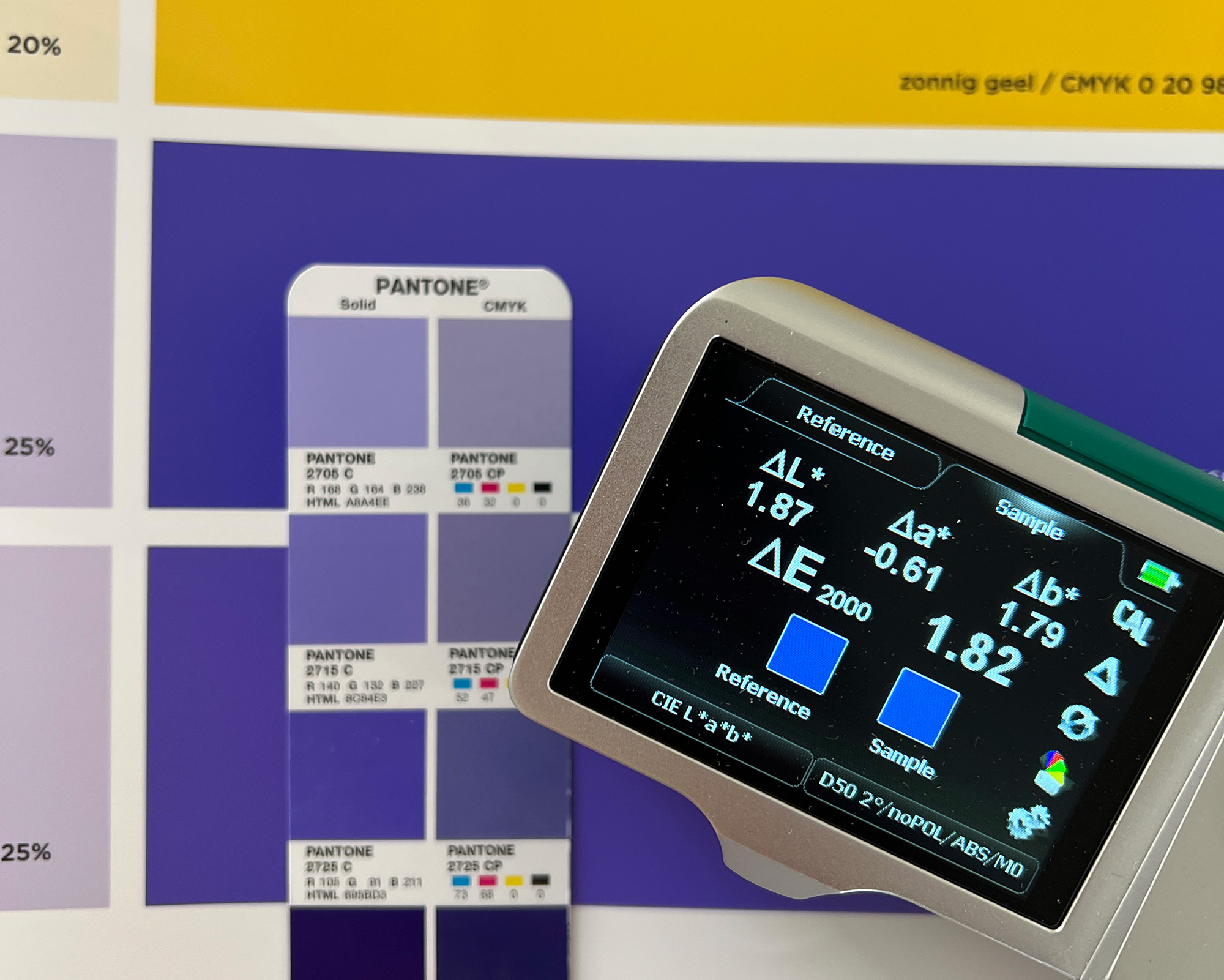
There's no consumer that will say: "The print registration on this packaging is excellent." But they will notice when packaging feels inconsistent, fragile or poorly executed. Even if they can't immediately explain why.
That's because packaging quality is often experienced subconsciously.
Small variations in color, finishing or construction can influence how premium, reliable or trustworthy a product feels. This is especially true in markets where customer experience and brand perception play an important role.
The difference between good and great packaging is not one major design decision, but rather the accumulation of many small refinements during development and production.
Mass production comes with set limitations and tolerances. In many cases, however, these tolerances are based on machine settings optimised for cost efficiency. Balancing production speed, consistency and price against the highest possible quality. And while this trade-off is often acceptable, it can sometimes stand in the way of achieving a level of quality others consider impossible, or simply not worth pursuing.
A color variation may technically pass quality control, while it still has room for improvement. A structural design may function correctly, but still cause unnecessary friction during packing or assembly.
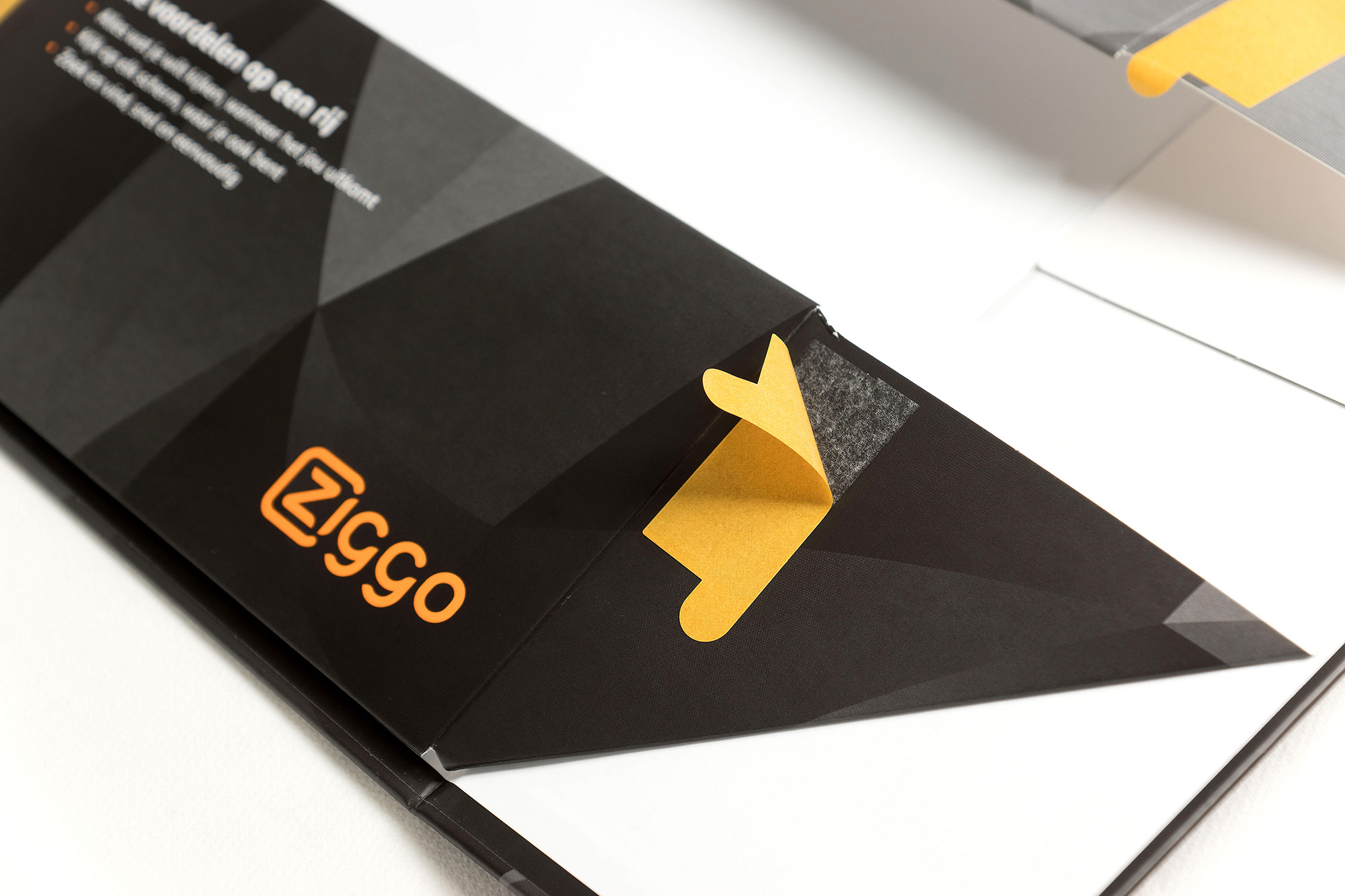
That's why packaging development requires more than just approving the dielines, artwork and starting production. It requires attention to how packaging performs in real-world conditions:
- During transport
- During assembly
- In retail, or when shipped as parcel
- During unboxing
- Across repeated production runs
When assembling a package once, everything may seem perfectly fine. But scale that same design to thousands of assemblies per day, and weaknesses in the structure, material or process quickly start to reveal themselves.
While industry standards and tolerances exist for a reason, we believe every project deserves its own balance between cost, efficiency and quality. By understanding the dynamics between these factors, we can make informed decisions and push the boundaries where it truly adds value.

Some of the biggest improvements are not highly visible innovations. They are small optimisations that improve consistency, efficiency or experience over time.
Smarter material combinations, refined print setups, structural adjustments that improve efficiency.
These are the kinds of refinements developed through experimentation, testing and close collaboration between design, production and supply chain partners.
And while they may not be very visible at first glance, they make the biggest difference in long-term packaging performance.
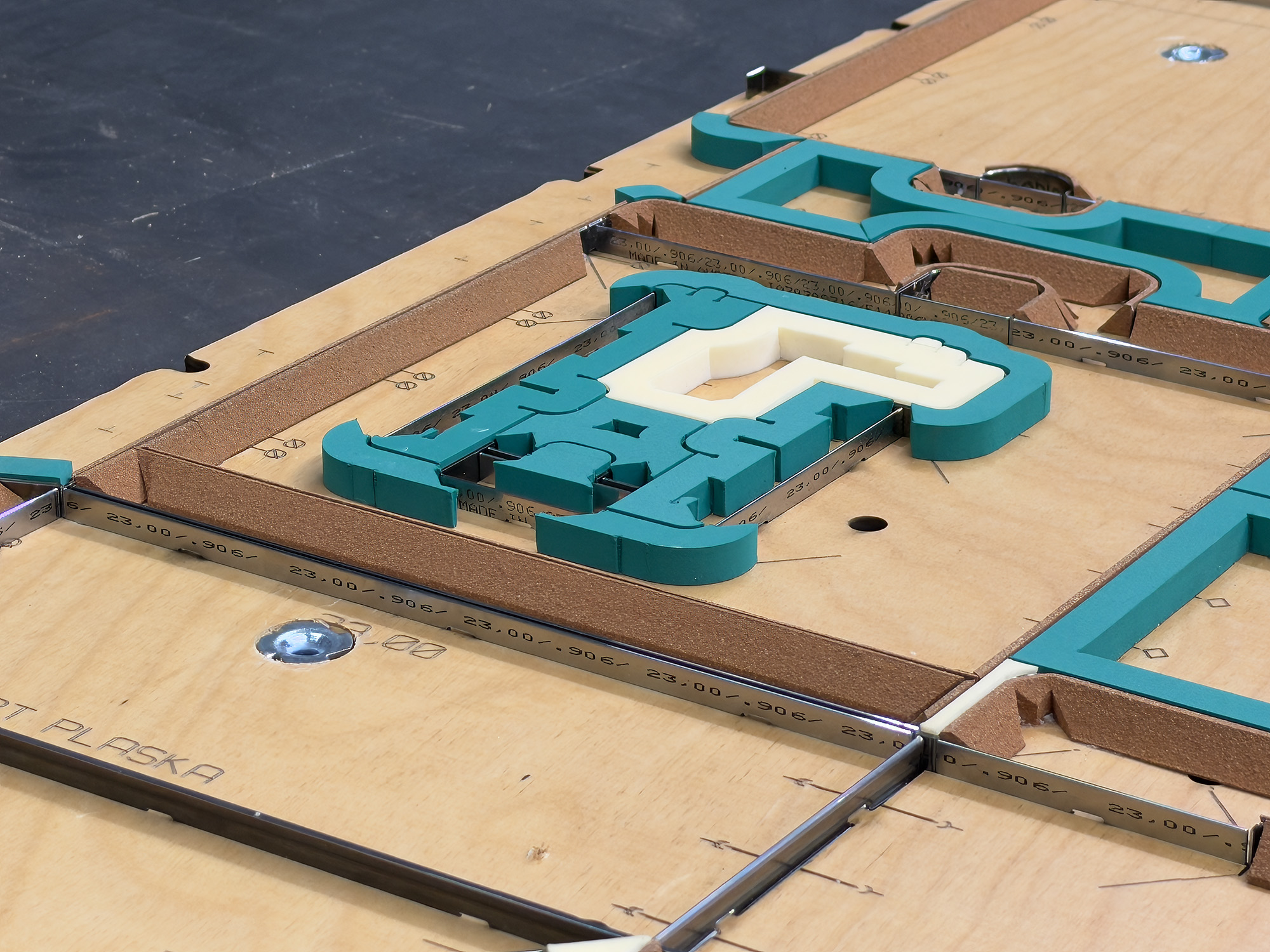
High quality packaging is usually the result of many small decisions made carefully throughout the process. Not just during design, but also during prototyping, testing, print preparation and production.
Because in the end, the details people barely notice are often the details that define the entire experience.
Great packaging is built through collaboration, testing and attention to detail. Curious where your packaging process could be refined? We'd love to think along with you!
Other
We often choose local production to shorten lead times, reduce transport and increase flexibility. This keeps supply chains efficient and ensures packaging fits your product and operations.
Read more →

Other
Based on which features do consumers decide if a package is sustainable? We wanted to gain insight into this, and outline our findings in this blog.
Read more →

Other
Packaging is more than protection: it is part of your brand experience. The moment a customer opens your package is your opportunity to make a strong first impression and strengthen how they experience your brand.
Read more →