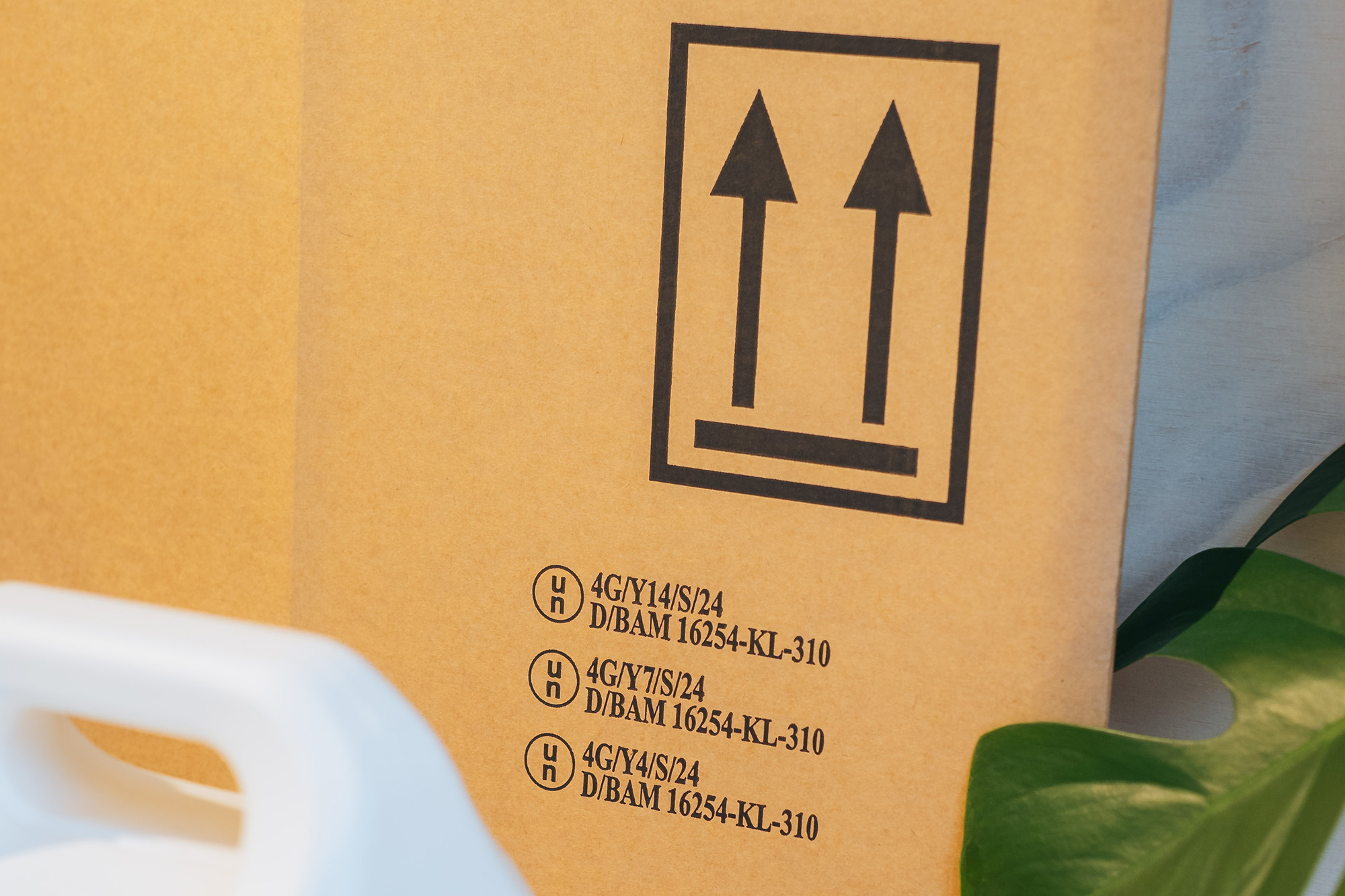


Based on which features do consumers decide if a package is sustainable? We wanted to gain insight into this, and outline our findings in this blog. The most remarkable discovery? Consumers cannot recognize the most sustainable package without visual clues. Therefore, we cannot emphasize enough the importance of making the reduced environmental impact visible in the packaging design.
Packaging is a driving force in our modern society with many benefits. However, there are many concerns about packaging problems such as litter and microplastics that cause health problems and the plastic soup in the oceans. That's a shame, because the right packaging solutions are available, but have yet to be implemented.
When sustainable solutions are used, the packages can be produced more cheaply compared to companies that handle them carelessly. Because the packages are designed to stack efficiently, transportation costs and inventory space are reduced. Weight and volume are also reduced, thereby lowering material costs. In addition to these economic benefits, the positive effects of sustainable packaging on the environment are well known. For example, less plastic is used, there is less waste production and CO2 emissions are reduced. We could go on and on, as there are many more...
It is a well-researched fact that consumers are willing to pay more for sustainable packaging (Ouwehand, 2021). Ultimately, we all want to do something good for the environment, and then buying sustainably is a good step. This brings opportunities for companies to implement eco-friendly packaging.
However, previous studies have shown that environmentally conscious consumers are not always able to recognize sustainable packaging. They rely on visual indications to determine whether a package is sustainable. These visual indicators include, for example: materials used, color, size, weight or presence of an eco-label. If there are no visual indications or falsely claimed indications consumers cannot recognize and thus choose the most sustainable packaging. This will hinder further sustainable improvements.

If the consumer is not able to estimate the eco-friendliness of a packaging, it won't be able to choose the most sustainable option. Therefore, it is interesting to have a look at what features influence this eco-friendly appearance. Because the consumers perspective is recognized as influential (Prendergast, 1996; Silayoi, Speece, 2004).
Packaging features such as weight, color and material could possibly enhance the environmental friendly appearance. Where in the past a white cardboard colored packaging provided a premium appearance, the eco-look is now popular. The eco-look often entails the use of brown cardboard materials.
Research by ZeroPackaging (a Paxpring initiative) has shown that a certified ecolabel has the greatest impact on a more durable look. Where there are two most common categories for ecolabels: an independent certified label awarded based on the fulfillment of a set of eco-friendly criteria or self-declared environmental claim a company appropriates (Pancer, McShane, Noseworthy, 2017). While both can convey the same sustainable message, a certified label has a significantly higher impact, consumers recognize the independent party and have more faith in the claim.
Another strong indicator is the material used. Where plastics are seen as not environmentally friendly. So in the design you can think of the omitting of unnecessary plastic parts and using paper or strong cardboard instead.
A remarkable outcome from our research is that weight and volume can be considered as the strongest objective environmental indicator, but consumers do not recognize them as sustainable indicators. A reduction in weight or volume reduces the amount of materials used. This leads to more efficient transportation, which reduces emissions during transportation. Yet this is not recognized by consumers without further visual indications on the packaging.
Thus, to implement further sustainable improvements, the biggest challenge lies in designing sustainable-looking packaging.
Ouwehand, C. (2021). Kidv – Consumentengedrag. https://kidv.nl/consumentengedrag
Prendergast, G., & Pitt, L. (1996). Packaging, marketing, logistics and the environment: Are there trade- offs? International Journal of Physical Distribution & Logistics Management, 26, 60-72.
Herbes C, Beuthner C, Ramme I. (2020). How green is your packaging—A comparative international study of cues consumers use to recognize environmentally friendly packaging. Int J Consum Stud. 2020;44:258–271. https://doi.org/10.1111/ijcs.12560
Pancer, E., McShane, L. & Noseworthy, T.J. (2017). Isolated Environmental Cues and Product Efficacy Penalties: The Color Green and Eco-labels. J Bus Ethics 143, 159–177. https://doi.org/10.1007/s10551-015-2764-4
This blog is part of our zeropackaging initiative.
Other
Based on which features do consumers decide if a package is sustainable? We wanted to gain insight into this, and outline our findings in this blog.
Read more →

Other
Packaging is more than protection: it is part of your brand experience. The moment a customer opens your package is your opportunity to make a strong first impression and strengthen how they experience your brand.
Read more →

Service Parts
Transporting dangerous goods requires packaging designed and tested for safety. It protects the contents during transport and safeguards the people who handle and move these materials.
Read more →